


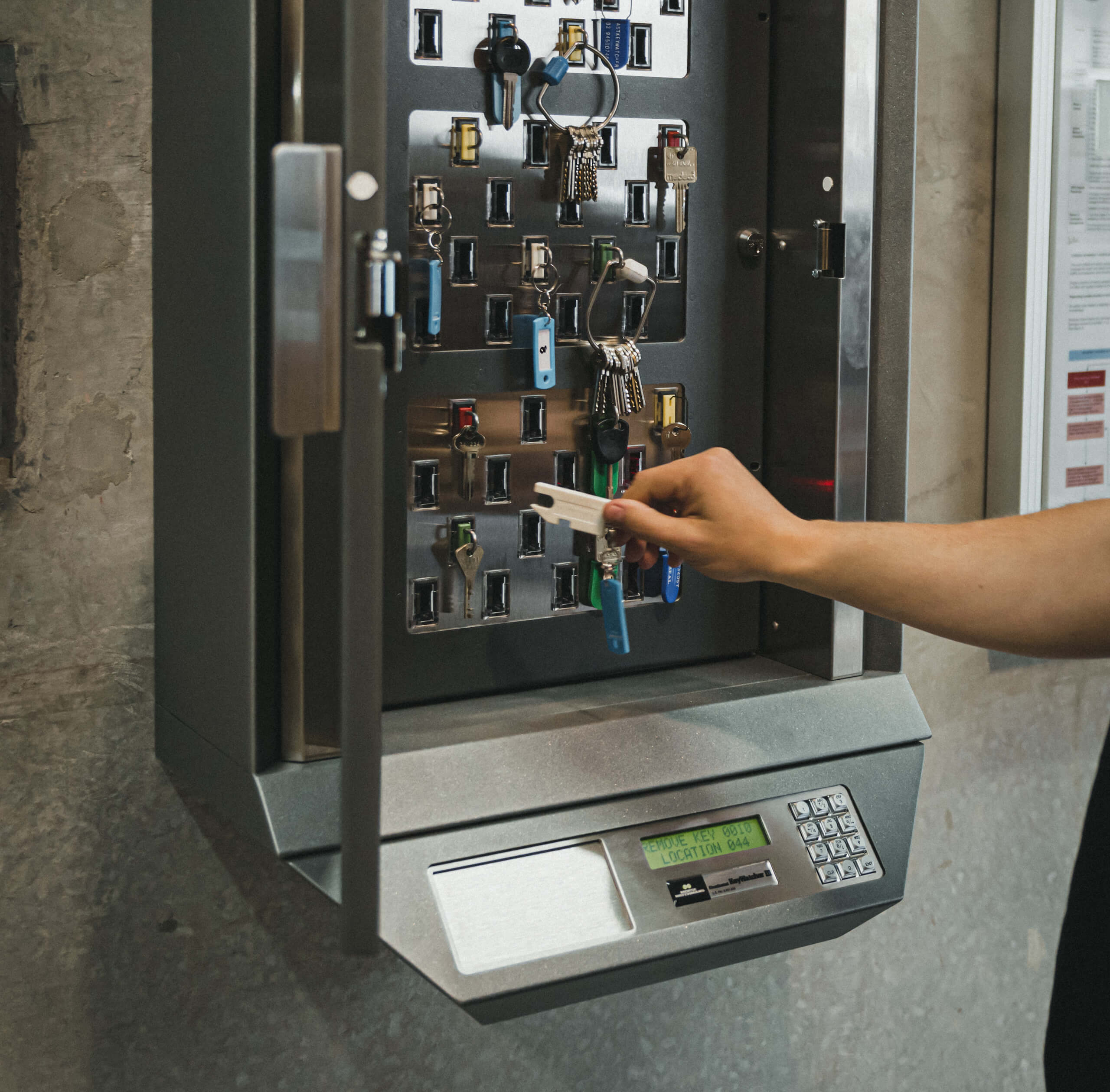
Managing physical keys might seem straightforward, but for businesses across Australia and New Zealand, the reality is far more complex. When keys go missing, unauthorised access occurs, or accountability vanishes, organisations quickly discover the critical importance of proper key control. A key management system transforms this challenge into a streamlined, secure process that protects assets, personnel, and operations.
Understanding Physical Key Management
Physical key management refers to the processes and systems businesses use to control, track, and secure physical keys within their operations. Unlike digital access systems, physical keys remain essential across countless industries—from facilities management and automotive dealerships to healthcare facilities and educational institutions.
Traditional approaches to key control systems often involve basic lockboxes, pegboards, or manual logbooks. These outdated methods create significant vulnerabilities. Keys can disappear without trace, accountability becomes impossible to enforce, and security breaches remain undetected until substantial damage occurs.
The Evolution of Key Control Systems
Modern key management systems have revolutionised how organisations approach security. These electronic solutions combine secure storage cabinets with intelligent tracking software, creating comprehensive audit trails and real-time monitoring capabilities. This evolution addresses the fundamental weaknesses of manual systems whilst providing unprecedented visibility into key usage patterns.
Key management software integrates seamlessly with physical cabinets, offering administrators powerful tools to manage permissions, generate reports, and respond immediately to security concerns. This technological advancement has made efficient key control accessible to businesses of all sizes throughout Australia and New Zealand.
How Key Management Systems Work
A physical key management system operates through three essential components working in harmony. First, secure electronic cabinets provide tamper-resistant storage for all keys. These cabinets feature individual slots or hooks, each monitored by the system to detect when keys are removed or returned.
Second, authentication mechanisms ensure only authorised personnel can access specific keys. Modern systems support multiple authentication methods including PIN codes, RFID cards, biometric scanners, or mobile credentials. This flexibility allows organisations to match security levels with their specific requirements.
Third, key management software records every transaction automatically. The system logs who accessed which key, when they took it, and when they returned it. This creates an unbreakable chain of custody that eliminates disputes and provides invaluable data for security audits and compliance reporting.
Core Components of a Key Management System
Electronic key cabinets serve as the physical foundation, available in various sizes to accommodate different key volumes. Key cabinets range from compact wall-mounted units suitable for smaller operations to large-capacity systems designed for extensive facilities.
The software platform delivers the intelligence behind the system. Key management software provides intuitive dashboards, automated alerts, and comprehensive reporting capabilities. Administrators can configure user permissions, set key reservation schedules, and receive instant notifications about overdue keys or unauthorised access attempts.
Integration capabilities allow key management systems to connect with existing security infrastructure, including access control systems, CCTV networks, and building management platforms. This interoperability creates a unified security ecosystem that enhances overall protection.
Key Challenges Without a Proper System
Organisations operating without dedicated key control systems face numerous operational and security challenges. Lost keys represent more than mere inconvenience—they trigger expensive lock changes, operational disruptions, and potential security breaches.
Unauthorised key duplication remains virtually undetectable without proper controls. Employees or contractors might copy keys without permission, creating unknown security vulnerabilities that persist long after their departure. This risk multiplies across large organisations with numerous keys and personnel. Key duplication can be limited through features within key systems, such as time restraint alerts and more.
The Cost of Poor Key Control
Compliance failures present serious consequences for businesses in regulated industries. Healthcare facilities, educational institutions, and government organisations must maintain detailed records of key access. Without automated key management, demonstrating compliance becomes extraordinarily difficult and time-consuming.
Productivity losses accumulate steadily when staff waste valuable time searching for missing keys or waiting for authorised keyholders. These seemingly minor delays compound across an organisation, representing significant hidden costs that proper physical key management eliminates.
Insurance implications deserve consideration as well. Inadequate key control may affect coverage or increase premiums, particularly following security incidents. Demonstrating robust key management systems can support insurance claims and potentially reduce costs.
Benefits of Implementing a Key Management System
Enhanced security stands as the primary advantage of implementing a key management system. By controlling access, tracking usage, and maintaining comprehensive audit trails, organisations substantially reduce security risks. Unauthorised access becomes immediately apparent, and accountability for key usage is absolute.
Operational efficiency improves dramatically when employees can quickly access the keys they need without hunting through drawers or contacting multiple colleagues. Automated systems eliminate bottlenecks and ensure smooth operations, particularly during shift changes or busy periods.
Staff safety and WHS compliance receive significant reinforcement through electronic key management system implementation. Key systems secure high-risk areas such as machinery rooms and hazardous material storage by restricting access to authorised personnel only. Dual authentication requirements ensure that employees removing keys for dangerous equipment possess the necessary qualifications or supervision, preventing untrained staff from accessing potentially harmful areas. The system also manages lockout/tagout procedures, ensuring critical safety protocols are followed before maintenance work begins and creating an auditable record of compliance with workplace health and safety regulations.
Cost reduction occurs across multiple areas. Organisations eliminate expenses associated with lost keys, unnecessary lock changes, and security breaches. The system pays for itself through these savings whilst delivering ongoing value through improved efficiency.
Enhanced Security and Accountability
Compliance documentation becomes effortless with automated record-keeping. Key management software generates detailed reports instantly, supporting audits and demonstrating adherence to industry regulations. This capability proves invaluable for organisations in healthcare, education, government, and other regulated sectors.
Choosing the Right Solution for Your Business
Selecting appropriate key control systems requires careful consideration of several factors. Begin by assessing current key volumes and projected growth. Consider how many locations require access, the number of users, and specific security requirements.
Evaluate authentication options based on security needs and user convenience. PIN codes offer simplicity, whilst biometric authentication provides enhanced security. Many organisations implement tiered authentication, using stronger methods for sensitive keys.
Key Features to Consider
Integration capabilities deserve thorough examination. The system should communicate effectively with existing security infrastructure and management software. This interoperability maximises investment value and creates comprehensive security coverage.
Support and training availability impacts long-term success. Choose providers offering comprehensive training programmes, responsive technical support, and regular software updates. Local support within Australia and New Zealand ensures prompt assistance when needed.
Scalability ensures the system grows alongside the business. Whether managing 20 keys or 2000, modern key management systems accommodate expansion without requiring complete replacement. This flexibility protects the investment whilst supporting long-term business growth.
Reporting functionality should meet both operational and compliance requirements. Look for systems offering customisable reports, automated scheduling, and export capabilities. These features streamline administration and support regulatory obligations.
Keywatcher offers proven key management solutions specifically designed for Australian and New Zealand businesses. Their systems combine robust hardware with intuitive software, delivering reliable performance. Backed by their in house team of tech experts delivering ongoing exceptional support long after cabinet installation.
Securing Your Business Future
Implementing a physical key management system represents a strategic investment in operational security and efficiency. The question isn’t whether your business needs one, but rather how quickly you can implement it to protect assets, personnel, and operations.
What would happen if critical keys went missing right now? Could you immediately identify who had them last? Would you know every location they could access? If these questions create concern, the time to act is now. Modern key management systems eliminate these worries whilst delivering tangible operational benefits.
Protecting your business through intelligent key control isn’t complicated—it simply requires the right system and trusted partner. Take the first step towards enhanced security and operational excellence today.